Unexpected home repairs in Canada
Emergency Plumbing Repair Costs in Canada: What to Check
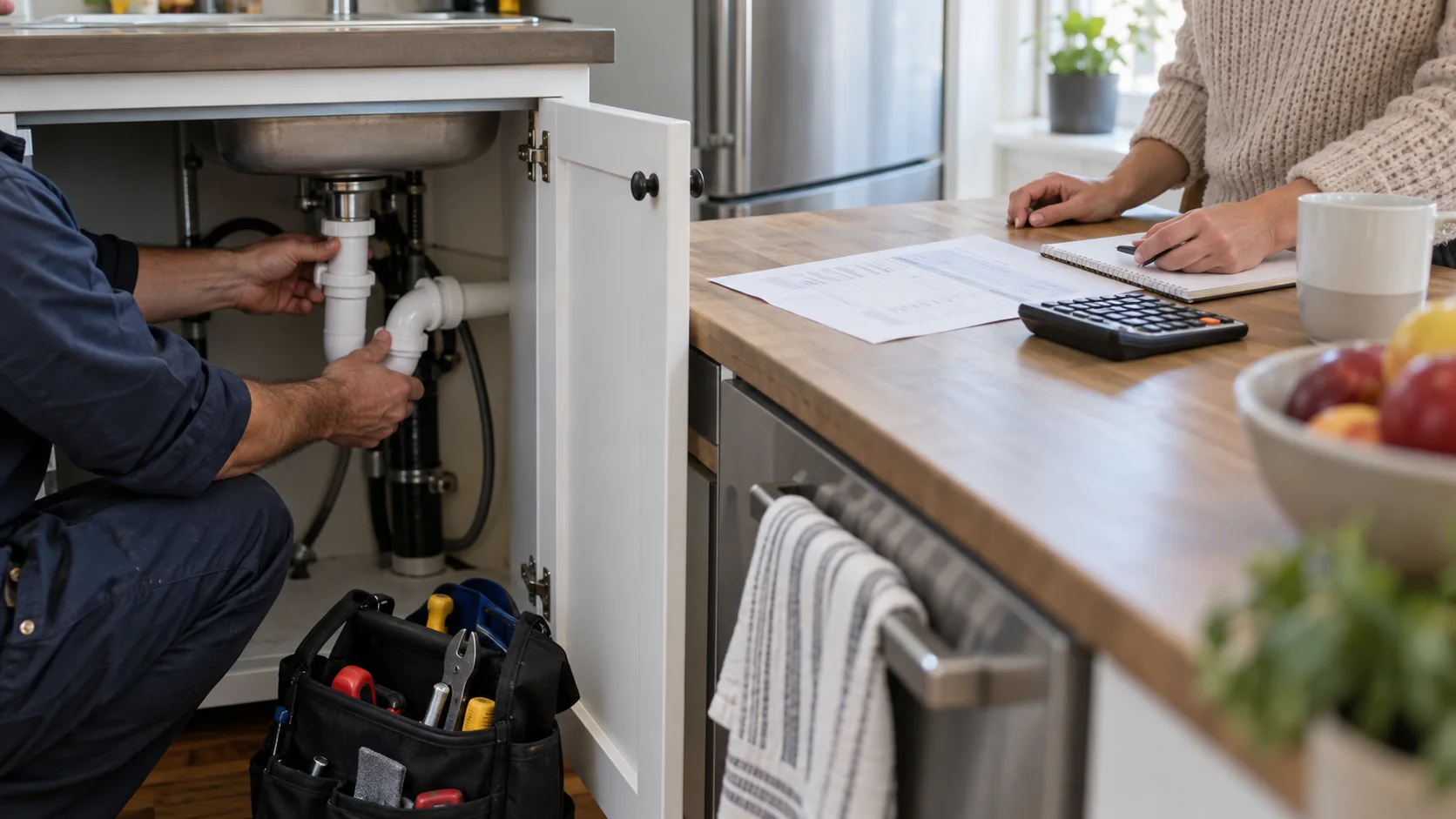
A plumbing problem rarely arrives on a convenient budget day. A service call may solve a small leak, but an urgent repair can also involve parts, after-hours labour and damage to nearby materials. Before deciding how to pay, separate the immediate work from the full cost of getting the space usable again.
This guide is about reviewing an estimate, not attempting a repair. If water is affecting electrical equipment, a fixture is unsafe or the damage is spreading, follow your building's emergency process and the instructions of a qualified professional. Do not delay urgent help to compare financing.
Work out who is responsible for the repair
If you rent, contact your landlord or property manager through the designated emergency number and keep a record of the report. If you own, check any applicable home warranty and insurance coverage before authorizing extensive work. Coverage, deductibles and responsibility depend on the policy, property and cause of damage; do not assume the plumbing job or resulting cleanup is covered.
Photograph the affected area if it is safe to do so, note when the problem began and save receipts and written messages. These records may help you explain the situation to the property manager, insurer or contractor without relying on memory later.
Request an itemized estimate
Ask the plumbing company what it can diagnose during the call and which costs are fixed versus estimates. A useful written breakdown identifies the service-call or diagnostic charge, labour, parts, after-hours fees and tax. Ask whether any diagnostic fee is credited toward the repair and whether work beyond the initial scope needs your approval.
- Is the quoted work a temporary stopgap or the full repair?
- What happens if the plumber finds another damaged section?
- Are parts, disposal and travel included?
- Will another trade be needed to restore cabinets, drywall or flooring?
- When is payment due, and what documentation will you receive?
If the issue can be safely stabilized, you may have time to compare another qualified provider. If not, focus first on preventing further damage and getting a clear authorization limit.
Separate repair, cleanup and restoration
A plumber's invoice may cover the pipe or fixture but not water removal, drying or replacement of damaged finishes. Ask which company handles each stage and whether those charges are included in the estimate. The total shortfall is the amount you must pay after any confirmed insurance payment, landlord responsibility, available cash and payment arrangements—not the largest possible repair figure.
Unexpected household repairs often compete with other essential expenses. Our appliance repair-versus-replacement checklist uses the same principle: confirm the full scope before committing to a payment option.
Check payment options before borrowing
Ask the provider whether it offers an invoice or staged payment, and confirm the terms in writing. Check insurance, warranty or landlord responses, but do not count money that has not been approved. If you use existing credit or a new short-term loan, compare the total repayment amount and due date against the bills that still need to be paid afterward.
The Financial Consumer Agency of Canada advises considering alternatives before an expensive payday loan. Borrowing for a repair can solve an immediate timing problem while creating a new one if repayment uses money needed for rent, food or utilities. Approval, cost and funding time vary by provider and application.
Need to check an emergency cash option?
Visit our emergency cash loans page for Canadians to review the application route through LoonieLoans.ca. A provider determines any offer, costs and funding time; approval and funding within an hour are not guaranteed. LoonieLoans.ca is a comparison service, not a lender.
Check My OptionsKeep the final paperwork
Save the itemized estimate, authorization, invoice, payment receipt and any warranty on the work. Confirm which part of the problem was fixed and whether a follow-up visit is needed. Then update your budget using the actual repair and restoration amounts, not the first verbal estimate.