Unexpected household bills in Canada
Higher-Than-Expected Utility Bill in Canada: A First-Step Checklist
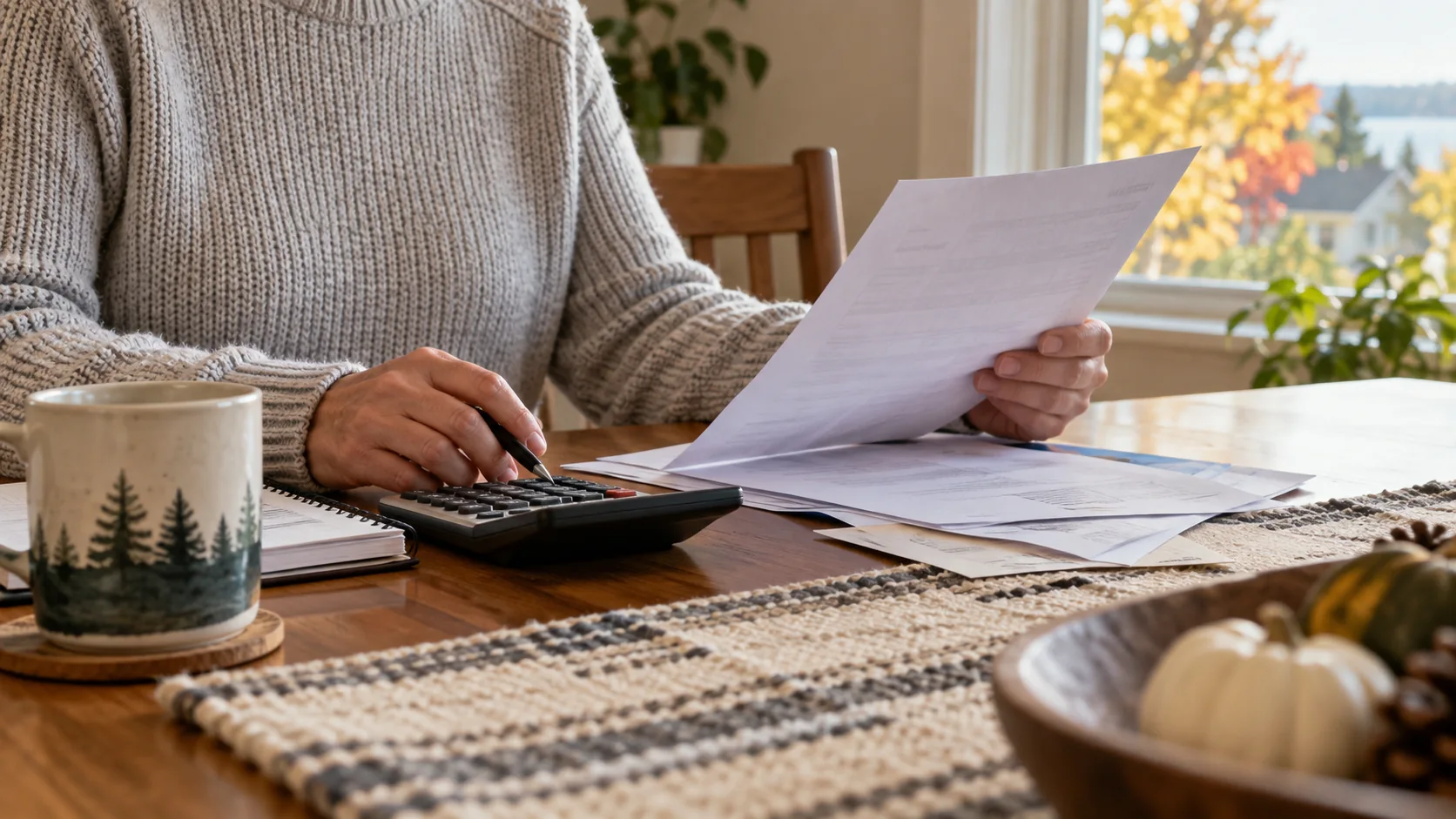
An electricity, gas or water bill that is much higher than expected can upset a carefully planned pay period. Before looking for extra cash, check what the bill actually covers and when payment is required. A billing mistake, a longer-than-usual period or a missed previous balance may call for a different response than genuinely higher usage.
This checklist applies broadly across Canada, but billing terms and assistance programs vary by provider and location. Use your own statement and contact your provider for account-specific answers.
Compare the statement with the previous one
Look at the service address, account number, billing dates and number of days charged. A bill covering more days than the previous statement can look like a sudden price jump even if average daily usage changed little. Check whether the amount includes an unpaid balance, an adjustment or a one-time fee.
Compare usage in the same units shown on the bill. If the provider reports an estimated reading, ask when the next actual reading will be taken and how a correction would appear. Do not assume the entire increase is caused by the current month until the line items make sense.
Check the amount due and the real deadline
Write down the current amount, due date, any past-due amount and the instructions printed on the statement. Keep a screenshot or copy. If a notice mentions a further action, call the provider using the number on your statement or its official site; do not rely on a link in an unexpected text message.
Ask the provider to explain unfamiliar charges and whether an account review is possible. Confirm any correction or revised due date in writing. If you are renting and are unsure which utilities you agreed to pay, check your agreement and ask the appropriate party before making assumptions about responsibility.
Ask about payment options before the deadline
If the amount is correct but difficult to pay at once, contact the utility provider early. Ask whether an instalment arrangement, different payment date or other account-specific option is available. Availability and conditions depend on the provider, so get the proposed schedule and any fees before agreeing.
Some providers or local organizations may offer assistance to eligible households. Ask your provider where to find its current eligibility rules. Avoid assuming that a program advertised elsewhere applies in your province or to your type of account.
Build a short cash-flow picture
List the money expected before the bill is due and the essentials that must be paid from it: housing, food, transport and other scheduled payments. Then calculate the actual gap. This prevents a temporary bill problem from becoming a larger problem at the next paycheque.
- Amount due now and any separate past-due balance.
- Confirmed income dates, not estimated payment times.
- Essential bills due before and just after the utility deadline.
- Any revised payment schedule offered by the provider.
- The total repayment cost of any financing option considered.
The Financial Consumer Agency of Canada’s budgeting guide explains how to track income and expenses. Use your own figures rather than a generic estimate.
Compare borrowing with the options already available
A loan can be more costly than getting additional time directly from a biller. If you consider borrowing, review the full offer: total repayment, due dates and what happens if a payment cannot be made. Compare only options you actually qualify for. The Financial Consumer Agency of Canada also describes alternatives to high-cost payday borrowing, including asking for more time to pay a bill.
Borrow only for a genuine gap that you can repay without missing the next essential bill. Submitting a request does not guarantee approval or a particular funding time.
Need to check emergency cash options?
Our emergency cash loans page for Canadians explains the application route through LoonieLoans.ca. Approval, amount, cost and timing depend on the provider and your application. LoonieLoans.ca is a comparison service, not a lender.
Check My OptionsKeep the next bill from becoming a surprise
Once the current bill is understood, compare average usage across several statements and note any seasonal pattern. If the utility offers usage alerts or a payment schedule, check whether they fit your situation. Save the provider’s explanation and any payment agreement so you can confirm that the next statement reflects what was promised.
If another household cost is competing for the same paycheque, our appliance replacement checklist helps separate an urgent need from optional upgrades.