Unexpected health expenses in Canada
Unexpected Dental Bill in Canada: A Cost Checklist
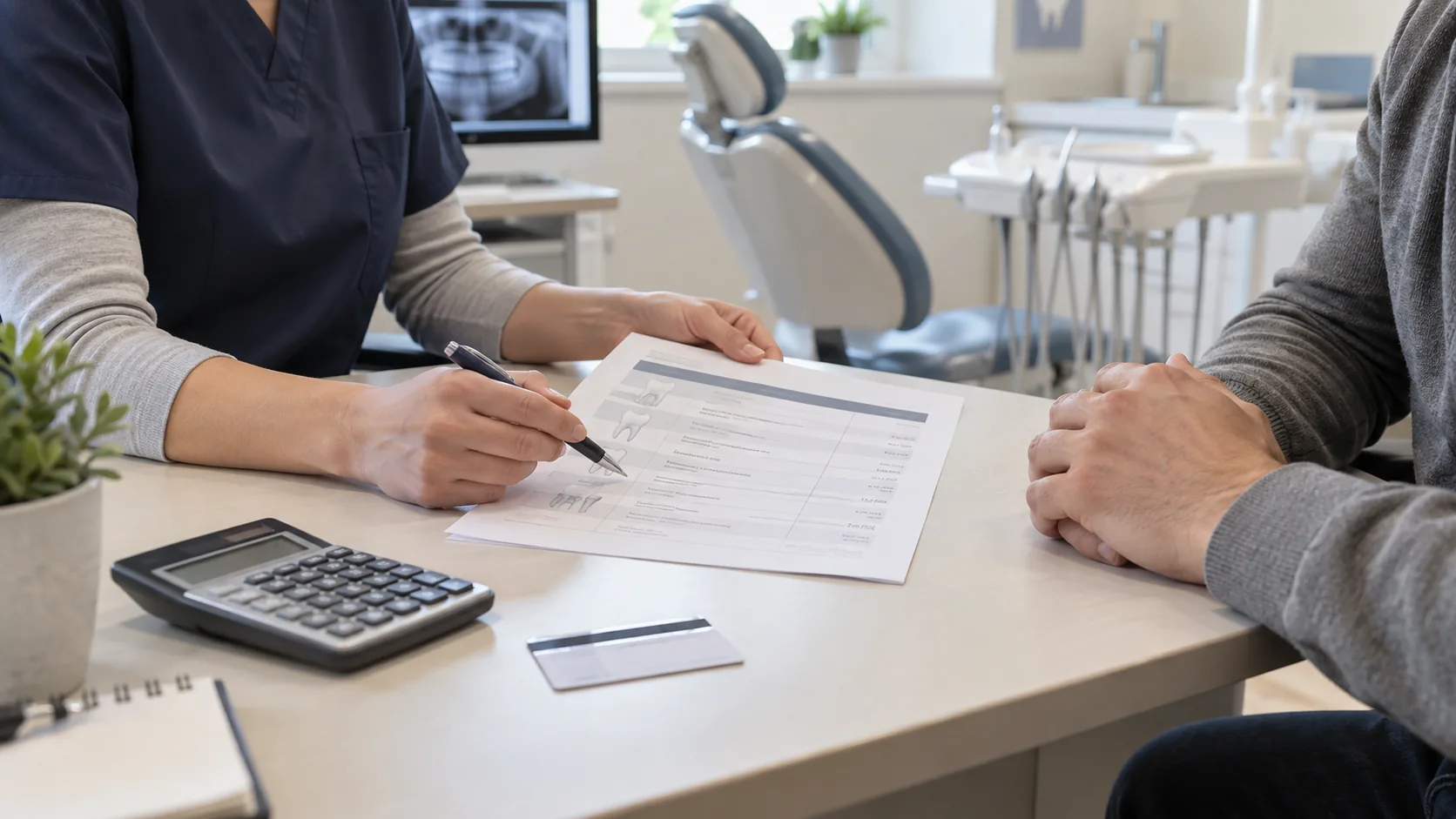
An urgent dental problem can produce two decisions at once: what care is needed now and how to manage the amount that is not covered. Start with the dentist's clinical advice, then ask for the cost information required to understand your real shortfall.
This article is a budgeting checklist, not medical advice. Contact a qualified oral health provider for diagnosis and treatment. If the provider says care is urgent, do not postpone it simply to compare payment or borrowing options.
Separate urgent care from later treatment
Ask the provider which part of the proposed treatment addresses the immediate problem and which part can be scheduled later without changing the expected outcome. The answer should come from the treating professional, not from a financing company or online article.
Request a written treatment plan that identifies the exam, imaging, procedure, medication or follow-up care included in the estimate. If the plan contains several stages, ask which amount is due at each appointment and whether a later stage requires a new estimate.
Check insurance and public coverage before calculating the gap
If you have workplace, private or provincial coverage, ask the clinic whether it can submit a predetermination or confirm the expected reimbursement. Check deductibles, annual limits and the portion you must pay yourself. An estimate of benefits is not the same as a paid claim, so keep some room in the budget for differences.
Eligible Canadian residents may also have coverage through the Canadian Dental Care Plan. The Government of Canada's CDCP coverage guide explains that the plan can pay a portion of eligible services, but patients may still face co-payments or additional charges. Ask the provider about costs not covered before accepting treatment.
Review the estimate line by line
A useful estimate should let you distinguish today's charge from the full treatment plan. Ask what is included, what could change after the exam or imaging and whether laboratory, specialist or follow-up fees are separate.
- What is the total estimated cost for the recommended treatment?
- How much is expected from insurance or a public plan?
- What amount must you pay at the first visit?
- Could additional services require separate approval?
- When are later payments due?
Your immediate cash gap is not automatically the total shown on a multi-stage plan. Use the amount due before your next confirmed income date, while also accounting for the later appointments you have agreed to.
Ask the clinic about payment arrangements
Before borrowing, ask whether the clinic accepts direct insurance payment, split payments or a documented payment schedule. Confirm the amount, dates and any fees in writing. Availability varies by provider, and a conversation does not change the invoice unless the clinic confirms the arrangement.
If another professional opinion is medically appropriate and will not delay urgent care, you can also ask for a copy of the treatment plan and records needed for that discussion. Do not choose or reject a procedure based only on price; clinical suitability is for a qualified provider to assess.
If borrowing is still necessary, check the next pay period
Compare the full repayment amount, payment dates and any fees with the income and essential bills that will remain after the dental visit. A short-term loan may cover today's gap but reduce the money available for housing, food, utilities or later treatment. Approval and funding time are never guaranteed.
Our bill-deadline checklist can help you list payments due before the next confirmed deposit and calculate the smallest actual shortfall.
Need to check an emergency cash option?
Visit our emergency cash loans page for Canadians to review the application route through LoonieLoans.ca. A provider determines any offer, cost and funding time; approval and funding within an hour are not guaranteed. LoonieLoans.ca is a comparison service, not a lender.
Check My OptionsKeep the treatment and payment records together
Save the written treatment plan, benefit estimate, receipts and any payment agreement. After the claim is processed, compare the insurer or program statement with the clinic invoice. That gives you the actual out-of-pocket cost and helps you plan any remaining appointments without counting expected coverage twice.