Starting a new job in Canada
Work Boots Before Your First Paycheque in Canada: A Cost Checklist
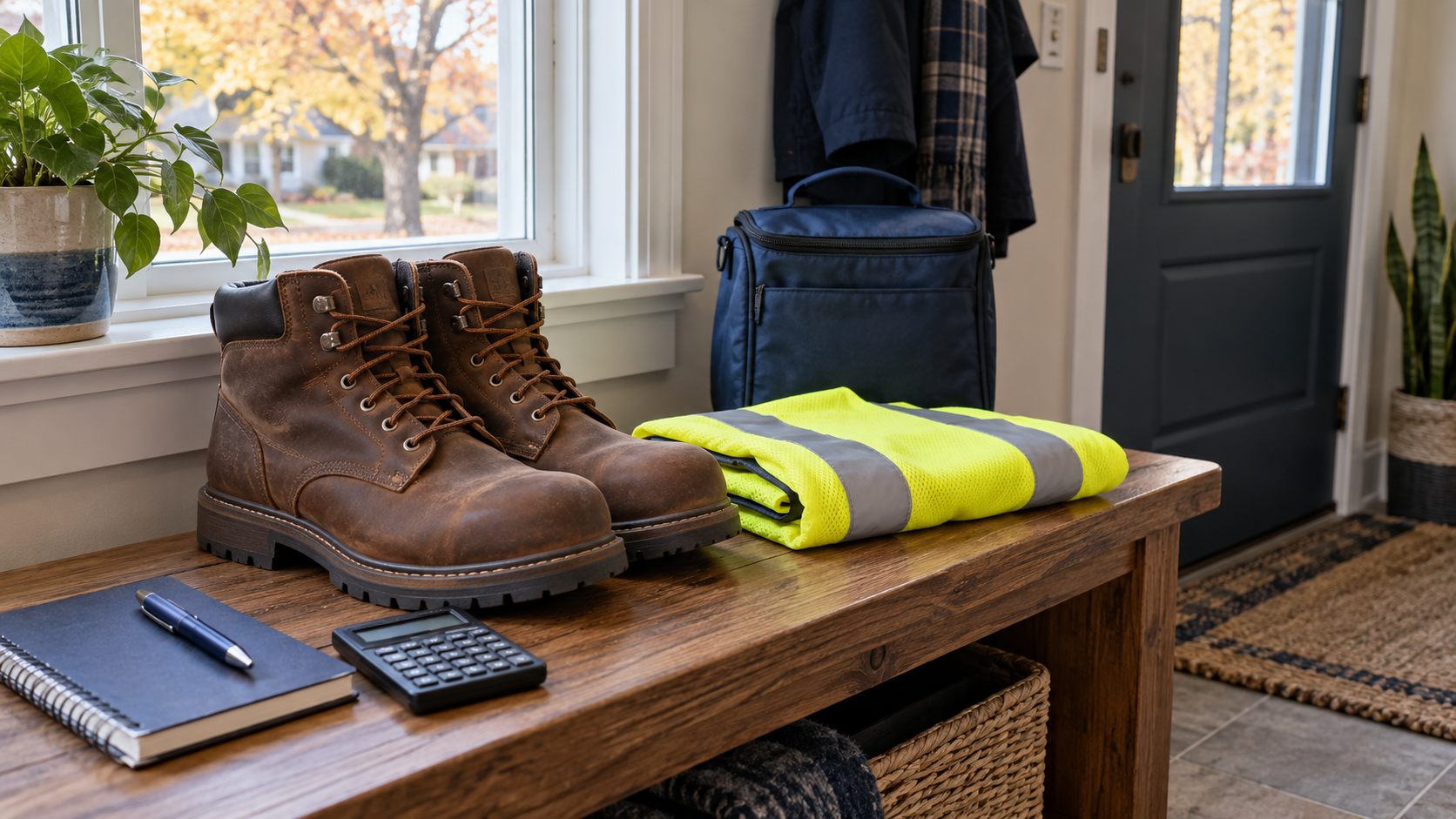
Starting a job can create an awkward cash gap: you need approved work boots or basic gear before your first shift, but your first paycheque has not arrived. Before searching for fast cash, confirm exactly what you must buy, what the employer supplies and when any reimbursement would reach you.
This guide focuses on upfront work-gear expenses in Canada, not a delayed wage payment or a general household budget. It is a planning checklist, not a statement about who is legally required to pay for equipment. Requirements and payment responsibilities depend on the job and applicable rules.
Ask for the required equipment list before shopping
Ask your supervisor or hiring contact for a written list of items needed on day one. For boots, request the required protection features and accepted safety markings. A pair that looks sturdy may not meet the requirements of your workplace. Have the employer confirm suitability before buying rather than choosing solely by price.
- Which items must you bring to the first shift?
- Which items are supplied or ordered by the employer?
- Is there an approved supplier, purchase order or employee discount?
- Must you get approval before making a reimbursable purchase?
- What receipt and claim form are needed?
- When would a reimbursement actually be paid?
Do not buy optional accessories or a second set until you know they are needed. Avoid substituting unsuitable used protective equipment just to reduce the initial bill; ask the workplace contact what is acceptable.
Separate employer-paid purchases from later reimbursement
A direct purchase and a reimbursement have different cash-flow effects. If the employer orders the boots and pays the supplier, you may not need cash for that item. If you must pay first and claim later, you still need to cover the full checkout amount today.
Confirm any allowance limit and whether it includes tax. Keep written approval and an itemized receipt. Treat reimbursement as unconfirmed until you know the purchase qualifies and understand the payment timing. Do not assume it will be added to your first paycheque.
Build a day-one budget, not a full equipment collection
List the approved essentials and compare the complete price in Canadian dollars, including applicable tax, delivery and any unavoidable travel to the store. Check stock and delivery dates: an online saving is not useful if the item arrives after your start date.
Keep commuting and meals separate from equipment. You may need enough transport money for several shifts before being paid. Use items you already own where they are suitable, such as a lunch container, rather than adding small optional purchases to an urgent bill.
Illustrative example, not a market-price estimate: approved gear totals $210, transport until payday is $45 and you have $100 available after essential bills. The immediate gap is $155. A possible $100 reimbursement later does not reduce that immediate gap unless the employer pays it before the purchase.
Confirm the first payday and the period it covers
Ask payroll for the first payment date and which shifts it will include. Starting just after a payroll cutoff can make the wait different from what you expected. Do not calculate available repayment money from a full month of advertised wages if the first payment only covers a few shifts.
Write down the expected take-home amount only when you have a reasonable basis for it, then subtract rent, food, transport and other commitments due around that date. If an expected payment later fails to arrive, use our paycheque-delay checklist for that separate problem.
Check practical ways to reduce the upfront gap
Ask whether the employer can arrange a direct supplier purchase, provide approved loan equipment or offer an advance under its policy. These are questions to ask, not benefits every employer provides. Confirm any deductions or repayment arrangement in writing before agreeing.
You can also ask a local employment-support service whether help with work-start costs is available. Eligibility, budgets and processing times vary, so do not rely on assistance until it is confirmed. If considering retail instalments or credit, compare the full cost and payment dates rather than only the first payment.
Still have an essential work-gear shortfall?
Explore the emergency cash loans page for Canadians for the LoonieLoans.ca application route. The provider determines eligibility, any offer, costs and funding time. A new job or an application does not guarantee approval or funds before your first shift.
Check My OptionsReview repayment before accepting a loan
Borrowing to start work still creates a bill after you start earning. Check the total amount repayable, the due dates and whether essential expenses remain covered. The Financial Consumer Agency of Canada explains payday-loan costs and alternatives; high-cost short-term borrowing can be more expensive than other options. If repayment depends on overtime, an unconfirmed reimbursement or another loan, revisit the plan before committing.
After the first paycheque, keep equipment receipts and warranty information together. A small planned allowance for replacement gear can make the next purchase less disruptive.